From the Earth
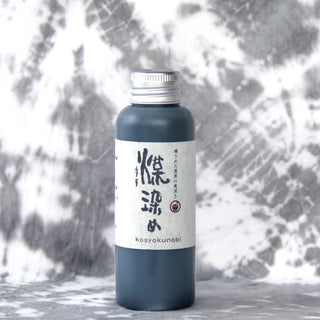
Susuzome Soot Dye
A black dye born from ancient life
Susu (煤) soot is carbon produced by the incomplete combustion of organic matter and is the raw material of Sumi, traditional Japanese drawing ink. People used to collect soot from candles and lamps using animal fat or rapeseed oil at home to make ink and coat wooden houses. For high-quality Sumi ink, people made turpentine soot by smoldering the roots of a pine tree.
Natural Black
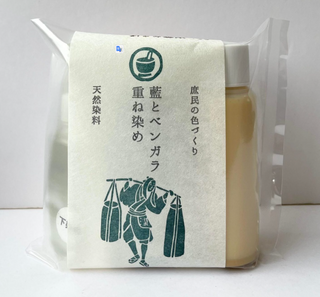
Our Susuzome is produced from high quality turpentine soot and natural rubber latex for natural dyers. Be inspired by the powerful color extracted from the tree roots! You'll enjoy creating a range of hues by combining with Bengala dye, color from the earth.
Eco-friendly Dye
You will only need water. No heat is necessary. As you knead the fabric in the dye bath, you will see that the water starts to become clear as all of the pigments transfer from the water into the fabric. Kneading well in the dye bath will ensure better dye absorption and more even color.
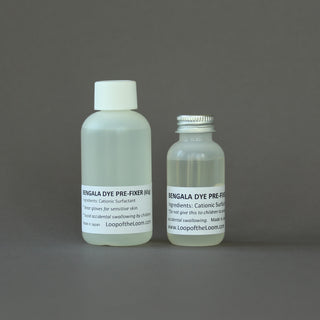
To get darker shades of soot, apply pre-fixer beforehand. Because such a small amount of water is needed, you can feel good about natural dyeing with minimal waste.
Combining with Bengala
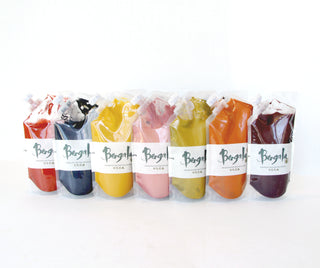
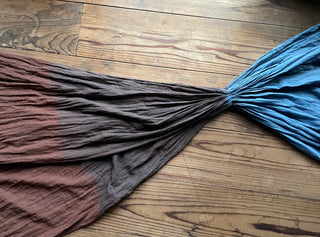
Mixing Susuzome with Bengala makes a wide range of tones. Subtle variations of black and gray explore the beauty of these natural dyes.


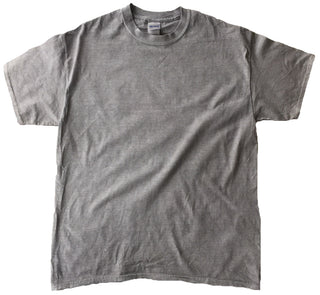
Susuzome overdyed with indigo


Our guide to using Susuzome Soot Dye
| PDF Instructions |
Instructions
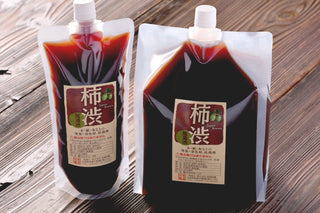
1. Prefix your fabric before using Susuzome. Using pre-fixer will result in darker and longer-lasting colors. (Follow our Pre-fixer instructions).
2. Fill a bucket with water for the dye bath. Water should be 10x the weight of the fiber, or just enough to cover the fabric that you plan to dye.
3. Presoak the fabric in clean water. Lightly wring—the fabric should be wet. If the fabric does not absorb the water well, soak in warm water.
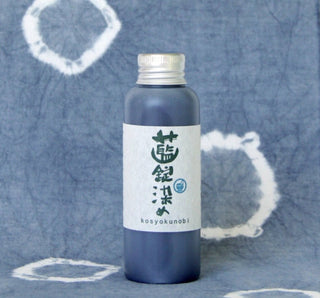
4. Shake the dye bottle well before using. Soot is a sediment and will sink to the bottom of the bottle. Measure 2-3 capfuls of dye.
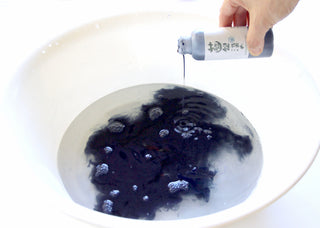
*Before mixing the dye into the dye bath, strain through a cheesecloth or fine mesh sieve to catch any clumps of soot. Mix with a small amount of water to dissolve soot particles. Add the measured dye into the bucket of water and mix thoroughly.
5. Add fabric to the dye bath. Knead evenly for 1-2 minutes.
*Kneading more creates stronger bonds between the dye and the fiber and the dyed color will be richer and last longer.
*For a darker color, repeat the process of adding more dye pigment to the bath.
6. After dyeing, wring out by hand or using a spin dryer to remove excess liquid. Hang outside to dry completely in the sun. It is necessary to dry completely to set the dye before washing.
How much Susuzome do I need to dye a 1-yard cotton cloth to make it darker?
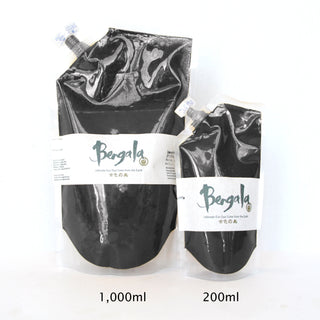
Start with 1/3 of the bottle. When the pigments are absorbed on the cloth, the pigments in the dye bath are decreased, and the color of the dyeing solution becomes lighter or transparent. Then, remove the cloth and add more dye gradually. When the color of the dye bath no longer changes, the absorption may be full. Even so, knead the cloth more in the dye bath a little longer, and the pigments will be further attached. Keep in mind that the color will become lighter after it dries. It cannot be fully blackened. According to our manufacturer, 300 grams or two adult T-shirts can be dyed in one bottle, although this depends on the absorption and texture of the fabric.
Since the soot pigment is fine, you can over-dye again from the process of prefixer another day. If you want a darker color, try it.
Tips
- Hand wash separately for the first few washes after dyeing.
- Shake the bottle well before using!
- Mix the dye very well into the water before dyeing. Making sure the pigment is evenly dispersed in the dye bath will help prevent uneven color.
- Allow the fabric to dry completely before washing to fix the pigment.
- When combining with Bengala, you can either mix in the same dye bath, or overdye.
Material
Susuzome works on many types of fibers, including cotton, linen, wool, silk, jute, paper, rayon, and more!
Storage
Store Susuzome in a cool dark place. Avoid high temperatures and direct sunlight, which will cause deterioration. Susuzome can be kept for up to 2 years.
Disposal
Leftover dye can be poured into soil—the dye solution is completely non-toxic and biodegradable.